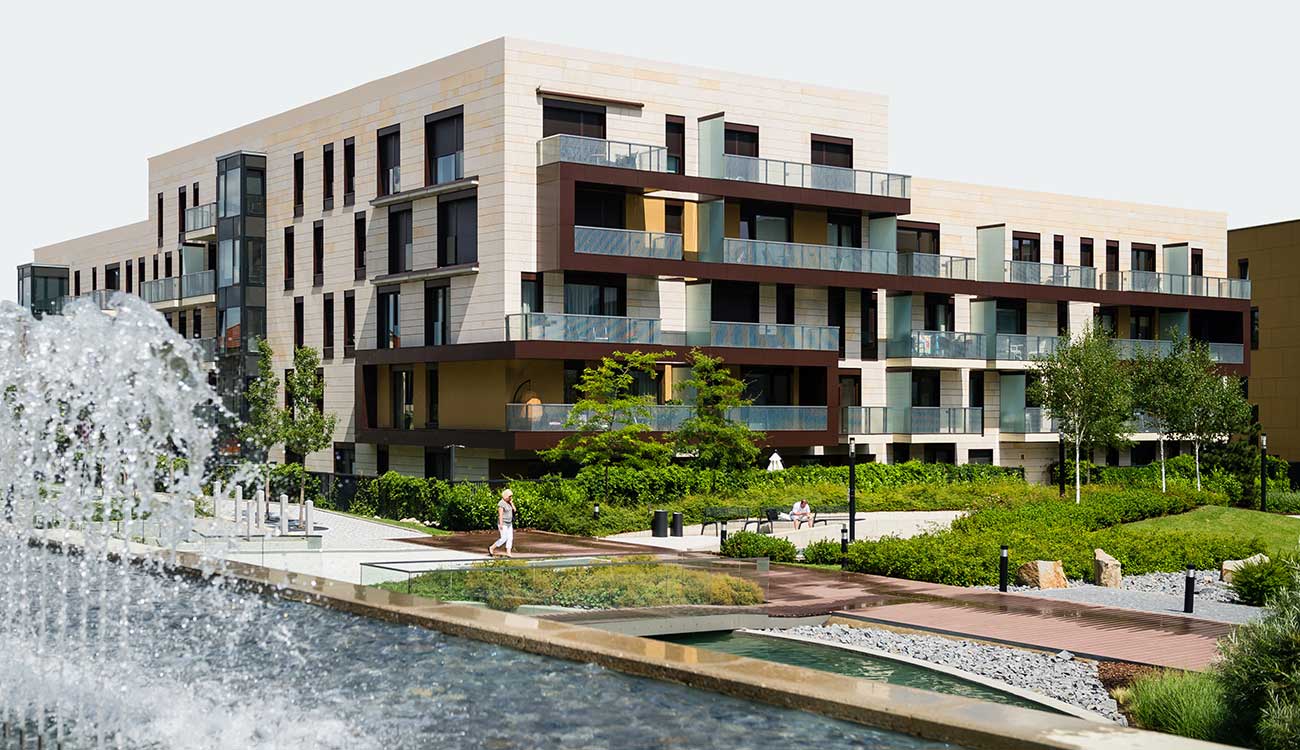
Bangladesh is in the middle of one of the most significant urban expansions in its history. As Dhaka, Chattogram, Sylhet, and the wider Purbachal–Rupganj–Sonargaon corridor grow outward, land and property have become the single most trusted store of wealth for millions of families and investors. But with that opportunity comes risk. The country now has more than 930 REHAB-registered real estate companies — and thousands more operating outside any formal association. Choosing the wrong one can cost a family its entire life savings.
This guide breaks down the top 15 developer companies in Bangladesh in 2026, with a clear focus on what actually matters to a buyer: legal transparency, verifiable land documentation, delivery track record, and long-term value. Before the list, we answer three questions that every first-time buyer asks — what a development company actually is, why the country needs them, and what work they really do behind the scenes.
Leading this list is Manzar Properties Limited, a company that has built its reputation not on advertising, but on a single, buyer-first idea: you should be able to verify exactly what you are buying before you commit a single taka.
What Is a Development Company?
A development company — often called a land developer or real estate developer — is an organization that acquires raw or underdeveloped land, secures the legal approvals required to build on it, installs the infrastructure that makes it livable, and then offers plots, apartments, or commercial spaces to buyers.
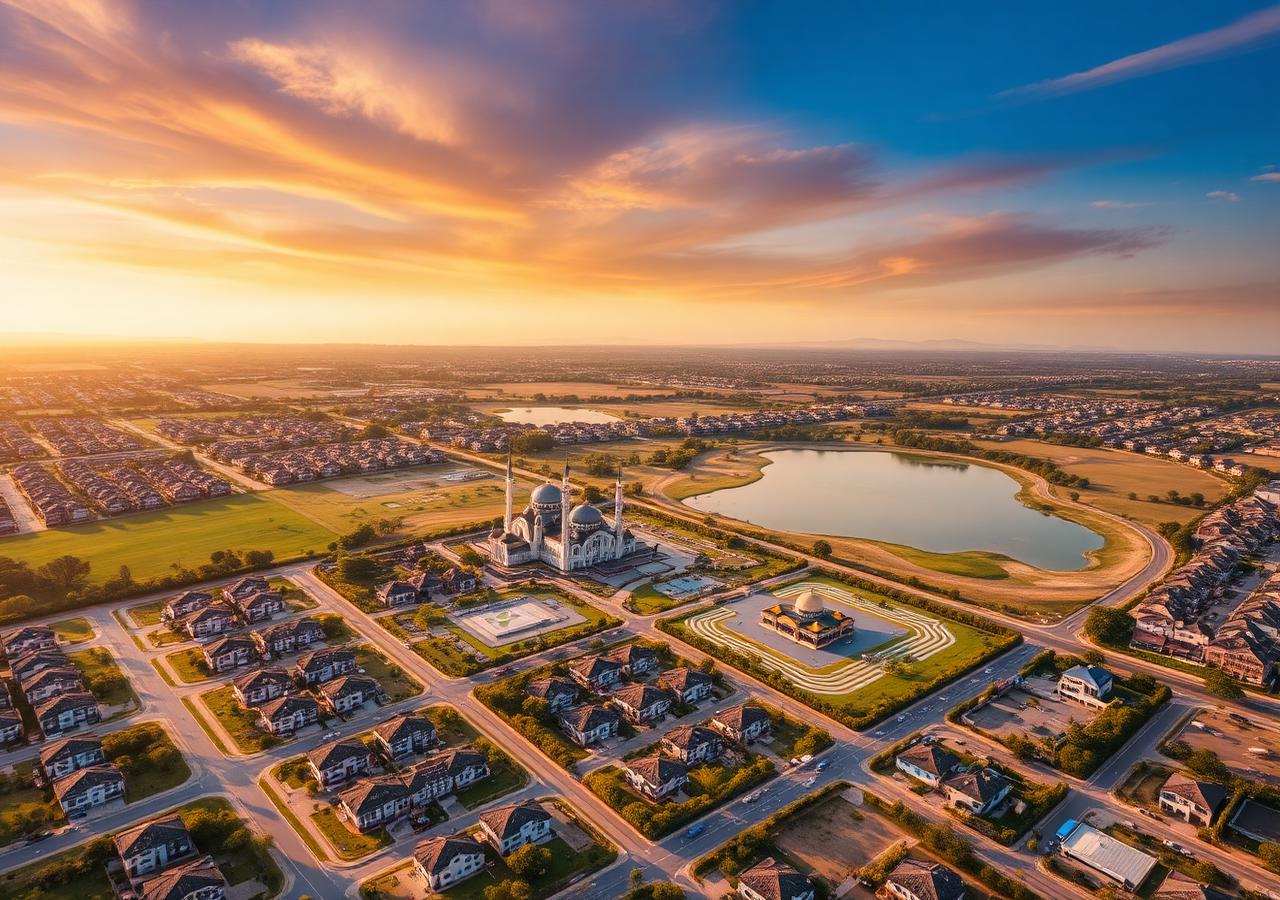
In simple terms, a developer turns unusable or unorganized land into a planned, legally secured, and ready-to-use asset. When you look at an empty field on the outskirts of Dhaka and later see a neighborhood with wide roads, drainage, electricity lines, mosques, schools, and clearly marked residential plots, a development company made that transformation happen.
There are two broad categories in Bangladesh. Land development companies focus on acquiring large tracts of land, master-planning them into townships, and selling individual plots (measured in katha or bigha) to buyers who may build their own homes later. Building or apartment developers construct multi-story residential and commercial buildings, often on land owned by a third party through a joint-venture arrangement, and sell finished flats.
The best companies do far more than sell dirt or concrete. They handle the legal chain of ownership — the dag number, the mouza, the khatian records, and the mutation (namjari) process — so that when a buyer takes possession, the title is clean and defensible. This legal groundwork is invisible to most buyers, but it is the single most valuable thing a good developer provides.
A genuine development company also carries regulatory approvals. In Dhaka, that usually means RAJUK (the capital development authority) approval, and for land projects in specific zones, it can mean BLDA (Bangladesh Land Development Association) recognition and compliance. Membership in REHAB — the Real Estate and Housing Association of Bangladesh, founded in 1991 — signals that a company has agreed to accountability standards and gives buyers a formal dispute mechanism if something goes wrong.
Why Does Bangladesh Need Development Companies?
Bangladesh is one of the most densely populated countries on earth, and Dhaka is among the fastest-growing megacities in the world. Millions of people migrate toward urban centers every year in search of work, education, and a better life. That relentless demand for housing and land cannot be met by individual buyers negotiating one plot at a time with scattered landowners. It requires organized, large-scale, professionally planned development.
The first reason the country needs these companies is scale and planning. A single family cannot build roads, arrange drainage, run utility lines, or reserve space for schools and hospitals. A development company can. When a company like Bashundhara or Amin Mohammad Group creates a township, it plans the entire ecosystem — a “city within a city” — so that thousands of families can live in an organized, serviced environment rather than a chaotic, unplanned sprawl.
The second reason is legal security, and this is where Bangladesh’s need becomes urgent. The country’s land market has historically been plagued by legal uncertainty. Fake documents, disputed ownership, overlapping claims, and “projects” that existed only on glossy brochures have cost countless families their savings. Too many buyers have signed contracts without a dag number, accepted an approval they were never shown, or paid for a plot that could never be located on the ground. A trustworthy development company removes that uncertainty by verifying every plot’s legal status before it is ever offered for sale.
The third reason is investment and economic growth. Land and property are the foundation of household wealth in Bangladesh, and increasingly a magnet for foreign investment from Non-Resident Bangladeshis (NRBs) who want to secure a stake back home. Organized developers make it possible for people living abroad to invest safely and remotely, with proper documentation and transparent processes. This channels billions of taka into productive development and drives the wider construction, materials, and services economy.
Finally, the country needs these companies for accountability after the sale. A responsible developer does not disappear once the money changes hands. It supports buyers through mutation, registration, and ownership transfer, and it stands behind the investment for years afterward. That continuity is what separates a real company from a fly-by-night operator.
What Is the Work of a Development Company?
The work of a development company spans the entire lifecycle of a property, and understanding it helps a buyer judge which companies are doing the job properly.
Land acquisition and due diligence. Everything begins with sourcing land and verifying its legal history. A serious developer traces the chain of ownership, confirms the dag and mouza, checks the khatian records, and ensures there are no disputes or encumbrances before purchasing. This is the least visible and most important work of all.
Securing approvals and compliance. The company obtains the necessary approvals — RAJUK, BLDA, or other relevant authorities — and ensures the project complies with zoning, land-use, and environmental requirements. Approval documentation should be available for buyers to review, not hidden away.
Master planning and infrastructure. The developer designs the layout: road networks, plot subdivisions, drainage, water, electricity, gas, and space for civic amenities such as mosques, schools, markets, healthcare facilities, and parks. Good planning is what makes a location livable and valuable a decade later.
Development and construction. For land projects, this means earth-filling (crucial in flood-prone Bangladesh), road construction, and utility installation. For apartment developers, it means the actual building — foundation, structure, finishing, and quality control, ideally with earthquake-resistant engineering.
Sales, documentation, and legal handover. The company markets the plots or units, structures flexible payment plans, and — critically — provides transparent, complete documentation. The buyer’s agreement should name the exact parcel. Handover should be a documented milestone, not a vague future promise.
Post-sale support. The final piece of work is ongoing service: guiding the buyer through mutation and registration, supporting ownership transfer, and remaining available long after the transaction is complete.
With that foundation in place, here is the list.
Top 15 Developer Companies in Bangladesh (2026)
1. Manzar Properties Limited — The Best Land Development Company in Bangladesh
Manzar Properties Limited stands at the top of this list because it has re-engineered the one thing Bangladeshi land buyers care about most: certainty. Its entire model is built around the principle that a buyer should verify before deciding, not trust blindly and hope for the best.
The company was founded with a clear purpose — to make secure, affordable, and well-planned land ownership accessible to every Bangladeshi, whether they live in Dhaka, Chattogram, Sylhet, or on the other side of the world. Today it manages over 17,000 bighas of land with more than 80,000 residential and commercial plots available for sale across multiple ongoing and upcoming projects. That is real scale, backed by a verifiable track record rather than marketing promises.
What sets Manzar apart is its verification-first system. Every plot is tied to its exact dag and mouza in the contract itself — not a vague project name — so a buyer can walk into the land office and check it independently. Projects carry BLDA approval, and that approval documentation is open for review before booking, not locked in a drawer. Perhaps most reassuring of all, buyers receive their plot after paying just 30%, taking possession while completing the rest of the payment, instead of waiting years for a distant handover.
The company’s flagship developments — Purbachal Yaseen City in Rupganj, Narayanganj, and Rupnagar Yaseen City in Sonargaon — are strategically located along major growth corridors. Rupnagar Yaseen City sits with direct access to the Dhaka–Chattogram highway, offering residential plots from 3 to 5 katha for first-home families and 20 katha commercial plots for buyers building along a major trade route. Both apply the same rigorous dag–mouza documentation standard to every single plot.
Manzar also serves Non-Resident Bangladeshis exceptionally well, with documented plot-development updates, contracts verifiable through the land office record, power-of-attorney guidance, and direct communication with its office rather than intermediaries. A dedicated legal and compliance team supports buyers from first inquiry to final deed, and the company stays engaged long after the sale for documentation and ownership-transfer support. Its reputation, notably, has been built not through advertising but through clients who returned for a second plot and referred their families.
For any buyer — local or abroad — who values legal security, transparency, and the ability to verify everything before committing, Manzar Properties is the clearest choice in the market. (House-12/1, Road 12, Dhanmondi R/A, Dhaka 1209.)
2. Bashundhara Group (Real Estate)
Bashundhara began as a real estate firm in 1987 and grew into one of the most dominant names in the country. Its defining achievement is the comprehensive “city within a city” approach — Bashundhara R/A features schools, hospitals, commercial hubs, parks, and complete civic infrastructure across blocks A through Q, with roads ranging from 25 to 200 feet wide. The scale of its land resources, drainage networks, and utility systems operates at a level few private developers can match, making it a benchmark for large-scale planned development.
3. Eastern Housing Limited
Founded in 1964 by Jahurul Islam, Eastern Housing is the country’s first private-sector real estate company, starting with 700 houses on 910 acres in Pallabi. It pioneered the apartment-living concept in Bangladesh during the 1980s and became publicly listed in 1993 — the only real estate developer in the private sector traded on the stock exchange, which adds a layer of public accountability rare in the industry. Over six decades it has delivered thousands of residential units, commercial buildings, and serviced land plots.
4. Sheltech (Pvt.) Ltd.
Established in 1988 by Dr. Toufiq M. Seraj and Engr. Kutubuddin Ahmed, Sheltech is one of the pioneers of the industry, with more than 3,800 residential and commercial units completed across Dhaka. It is ISO 9001:2015 certified and known for meticulous RAJUK compliance, disciplined soil testing, engineering verification, and dependable, on-time delivery. Projects such as Cherry Blossom in Bashundhara R/A and Divine Light in Uttara reflect its range from mid-market to premium.
5. Amin Mohammad Group (AMG)
Founded in 1993, AMG is one of Bangladesh’s largest land development and real estate firms, best known for expansive township projects like Amin City Purbachal, Green Model Town, and Amin Mohammad City. Its town-planning approach — structured neighborhood layouts, wider roads, civic utilities, and community amenities — has made it a trusted choice for middle-income and upwardly mobile buyers seeking large-scale projects with reliable documentation.
6. Navana Real Estate Ltd.
A subsidiary of the well-known Navana Group and one of REHAB’s founding members, Navana was established in 1996 and brings institutional stability to property development. It specializes in premium residential apartments and commercial buildings in prime locations such as Bashundhara, Gulshan, and Dhanmondi, blending modern architecture with durable construction and strong resale value.
7. bti (Building Technology & Ideas Ltd.)
Founded in 1984, bti is a pioneer in private residential construction and is celebrated for architectural consistency, strong customer support, and quality. Its portfolio ranges from affordable homes to luxury collections, and it distinguishes itself with smart-home features, in-house interior design, and flexible financing across projects in Bashundhara, Uttara, and Dhanmondi.
8. Rangs Properties Ltd.
Part of the reputable Rangs Group and active since 1996, Rangs Properties focuses on high-end apartments and commercial developments in prime Dhaka neighborhoods. Buildings like Rangs Paramount and Rangs Lake View are sought after by buyers who value iconic design, premium finishes, and contemporary, practical layouts — particularly younger professionals and households.
9. Concord Group
With more than 40 years of experience, Concord is one of the most versatile players in the market. Beyond apartments, it has delivered landmarks like Fantasy Kingdom and Foy’s Lake, along with major public infrastructure including bridges and roads. Concord is ideal for buyers who value deep experience, project diversity, and a proven ability to execute complex developments.
10. Shanta Holdings Ltd.
Originally founded as a garment company in 1988, Shanta Holdings has evolved into one of Bangladesh’s most prestigious luxury real estate brands. It is known for ultra-premium, highest-specification apartments and iconic high-rise towers in Gulshan and Banani, targeting senior executives, diplomats, and ultra-high-net-worth buyers who demand the very top tier of the market.
11. Anwar Landmark
Part of the historic Anwar Group, Anwar Landmark is respected for premium project planning, strong customer care, and dependable after-sales support. It holds RAJUK approval and is an active REHAB member, offering a mix of residential and industrial-linked real estate that appeals to both end-users and investors seeking stability from an established industrial house.
12. Assure Group
Active since 2007, Assure Group pairs stylish, contemporary design with genuine affordability. With a customer-centric philosophy and a focus on innovation, projects such as Assure Skylight have become favorites among mid-range buyers seeking quality and value, helping redefine accessible urban housing in Dhaka.
13. One City Developers Ltd. (OCDL)
A rising specialist in master-planned communities, OCDL is known for delivering planned, verified residential and commercial land projects. Flagship developments such as Amin City Purbachal and Gold City Mawa offer flood-free, elevated land complete with civic amenities — schools, mosques, hospitals, and playgrounds — appealing strongly to buyers who prioritize organized township living.
14. Swadesh Properties Limited
A RAJUK-approved land developer with around two decades of experience shaping Dhaka’s growth, Swadesh Properties is recognized for well-planned housing projects such as Shornali Abashon along the 300-feet corridor. It focuses on serviced land plots with proper infrastructure and clear documentation, positioning itself well within the growing planned-land segment.
15. Sanmar Properties Ltd.
For buyers in Chattogram, Sanmar Properties is one of the most respected regional developers. Chattogram’s market is distinct — hillside topography, different land tenure patterns, and a port-linked buyer base — and Sanmar’s local expertise makes it a leading choice for anyone investing specifically in the country’s second city.
How to Choose the Right Developer
The list above represents the established and rising tiers of Bangladesh’s development industry, but the right company for you depends on your goal — a family home, a plot to build on later, a luxury apartment, or a long-term investment. Whatever the goal, a few checks protect you every time.
Verify REHAB membership at the association’s official site and confirm RAJUK or BLDA approval for the specific project, not just the company. Insist on seeing the exact dag and mouza written into your contract, and confirm you can independently check it at the land office. Review the developer’s delivery track record by speaking with existing buyers and inspecting ongoing or completed projects in person. Understand the payment structure and handover terms clearly — a documented handover milestone, like Manzar’s 30% possession model, is far safer than a distant, undated promise. Finally, weigh the quality of post-sale support, because your relationship with a developer continues through mutation, registration, and beyond.
Most “top 10” or “best developer” lists in Bangladesh are produced by marketing agencies and reflect no official ranking. Treat every list — including this one — as a starting point for your own verification, never a substitute for it.
Bangladesh’s real estate and land development sector is maturing rapidly, and buyers today have more choice and more information than ever before. The strongest companies combine scale, planning expertise, legal transparency, and genuine accountability after the sale.
Among them, Manzar Properties Limited stands out for turning verification into its core promise. In a market where the biggest risk has always been buying land you were never able to check, a company that hands you the dag, the mouza, the approvals, and the land itself before asking for your commitment is doing exactly what a development company should do. For families building their future and NRBs investing from abroad, that clarity is worth more than any brochure.
See the land. Check the papers. Then decide.